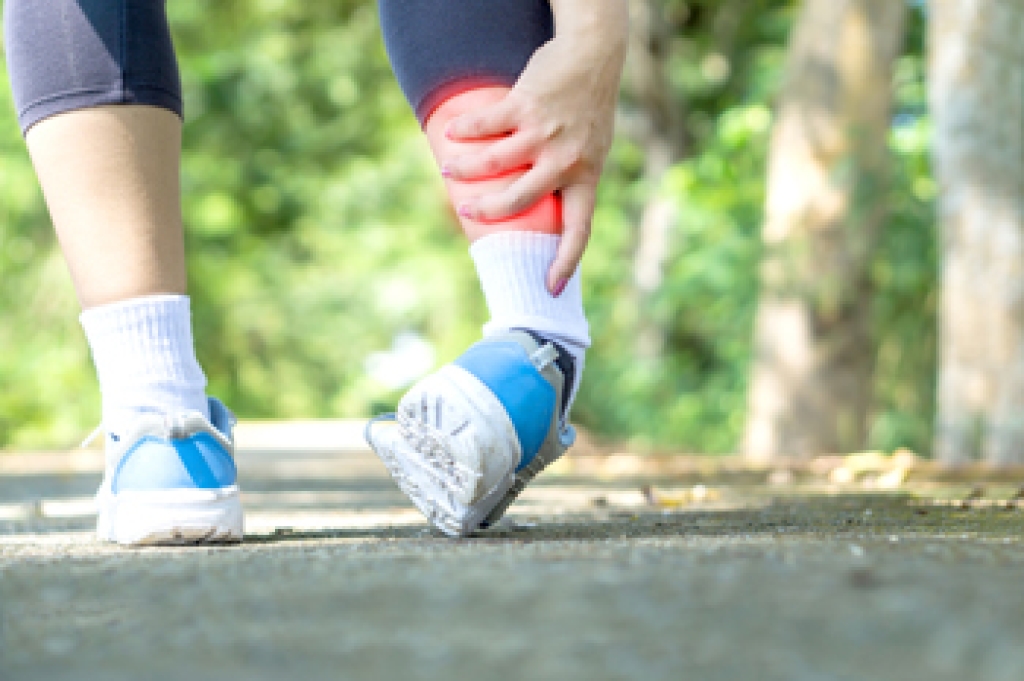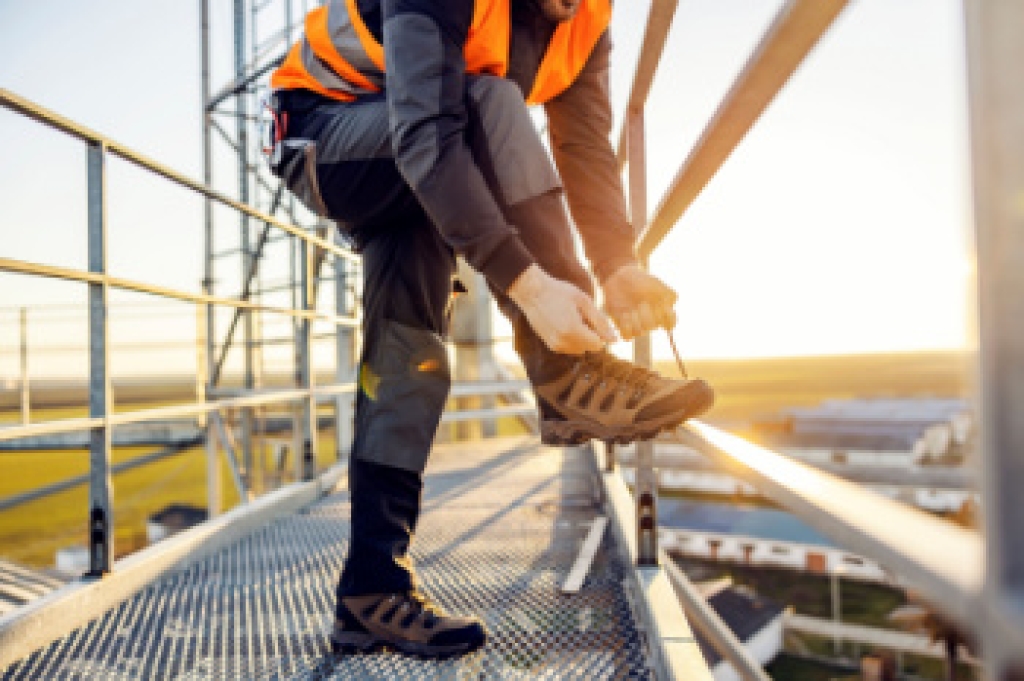
Workplace foot injuries are common in physically demanding environments such as construction sites, warehouses, and manufacturing settings. These injuries are defined as damage to the foot caused by external hazards such as falling objects, heavy equipment, or repetitive strain. Common causes include inadequate protective footwear, slippery surfaces, and prolonged standing. Symptoms may include pain, swelling, and difficulty walking. Risk factors include long work hours, improper shoe fit, and exposure to high impact or hazardous conditions.
Choosing the right footwear plays a major role in injury prevention. Construction workers often rely on steel toe boots, which are designed to protect the toes from falling objects and compression. Many safety boots also feature heat-resistant soles to protect against hot surfaces and improve durability. In addition to protection, footwear should provide comfort and allow easy movement of the toes. Proper cushioning and arch support help reduce fatigue and improve daily performance.
There are important differences between steel, alloy, and composite toe options. Steel toe boots use a strong metal cap and offer the highest level of impact protection, though they can feel heavier. Alloy toe boots are made from lightweight metals such as aluminum or titanium and provide similar protection with less weight. Composite toe boots are constructed from non-metal materials such as carbon fiber or plastic, making them lighter and ideal for environments where metal detection is required. Each option offers unique benefits depending on the job setting.
Selecting appropriate footwear and recognizing early symptoms of injury can help prevent long-term damage. Employers and workers should prioritize safety standards and proper fit. Regular inspection of footwear ensures continued protection. If you have foot injuries from work or experience consistent discomfort, it is suggested that you consult a podiatrist for effective relief tips and additional guidance on how to choose the correct shoes for your workday.
While working on the feet, it is important to take the proper care of them. For more information about working on your feet, contact Ross Limon, DPM from Boca Deerfield Footcare Center. Our doctor will treat your foot and ankle needs.
Working on Your Feet
Standing on your feet for long periods of time can cause stress and pain in your feet. Your whole body may experience change in terms of posture, back pain, bunions, callouses and or plantar warts. There are ways to avoid these conditions with proper foot care, smart choices and correct posture.
Positive Changes
Negative heeled shoe – Choosing this shoe type places the heel slightly lower than the ball of the foot. These are great for overall foot health. Find shoes that fit you correctly.
Go barefoot – Our feet were not designed to be enclosed for all hours of the day. Try to periodically expose your feet to air.
Eliminate Pain
Foot Exercises – Performing simple exercises, incorporating yoga and doing stretches are beneficial. This will allow increased blood flow to the area and muscles of the foot.
Achilles tendon – Stretching the foot out flat on the floor will relax the calf muscles and tendon. These exercises can be performed almost anywhere. Make sure you add these exercises to your daily regimen.
With a little bit of this information and knowing more about foot health, you will notice changes. Foot stretches and proper footwear will help with pain and prevent further issues.
If you have any questions please contact our office located in Deerfield Beach, FL . We offer the newest diagnostic and treatment technologies for all your foot and ankle needs.