Like Boca Deerfield Foot Care Center Follow Boca Deerfield Foot Care Center Review Boca Deerfield Foot Care Center

Foot Blisters While Hiking and How to Prevent Them

Foot blisters are a common problem during hiking and develop when friction, heat, and moisture repeatedly irritate the skin. Wearing ill-fitting boots, improper socks, uneven terrain, and long periods of walking can increase rubbing and pressure on certain areas of the foot. Symptoms often include redness, burning pain, swelling, and fluid filled pockets that make each step uncomfortable. Prevention focuses on wearing properly fitted hiking boots, choosing moisture wicking socks, keeping feet clean and dry, and taking breaks to reduce friction. Protective padding may also help prevent irritation. A podiatrist can help by treating painful or infected blisters, recommending proper footwear, and providing guidance to prevent future issues. If foot blisters are interfering with hiking enjoyment or daily comfort, it is suggested that you consult a podiatrist who can offer effective relief and prevention tips. 

Blisters are prone to making everyday activities extremely uncomfortable. If your feet are hurting, contact Ross Limon, DPM of Boca Deerfield Footcare Center. Our doctor can provide the care you need to keep you pain-free and on your feet.

Foot Blisters

Foot blisters develop as a result of constantly wearing tight or ill-fitting footwear. This happens due to the constant rubbing from the shoe, which can often lead to pain.

What Are Foot Blisters?

A foot blister is a small fluid-filled pocket that forms on the upper-most layer of the skin. Blisters are filled with clear fluid and can lead to blood drainage or pus if the area becomes infected.

How Do Blisters Form?

Blisters on the feet are often the result of constant friction of skin and material, usually by shoe rubbing. Walking in sandals, boots, or shoes that don’t fit properly for long periods of time can result in a blister. Having consistent foot moisture and humidity can easily lead to blister formation.

Prevention & Treatment

It is important to properly care for the affected area in order to prevent infection and ease the pain. Do not lance the blister and use a Band-Aid to provide pain relief. Also, be sure to keep your feet dry and wear proper fitting shoes. If you see blood or pus in a blister, seek assistance from a podiatrist.

If you have any questions, please feel free to contact our office located in Deerfield Beach, FL . We offer the newest diagnostic and treatment technologies for all your foot care needs.


Read more about Blisters

Understanding Diabetic Foot Ulcers

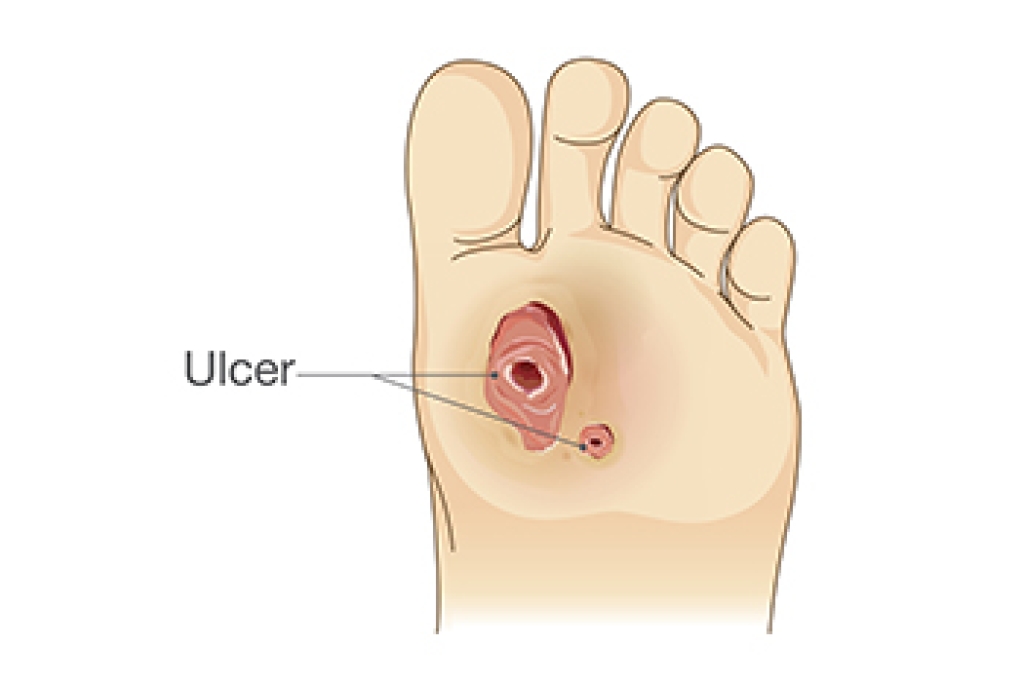
A diabetic foot ulcer is an open sore or wound that can develop on the feet of individuals with diabetes, often caused by poor circulation, neuropathy, or pressure on certain areas. These ulcers progress through stages, from superficial skin breakdown to deeper tissue involvement. Classification systems, such as the Wagner diabetic foot ulcer classification, help determine severity by assessing wound size, depth, and the presence of infection or gangrene. Proper assessment allows for targeted treatment and reduces the risk of complications. A podiatrist can evaluate the ulcer, provide wound care, recommend protective footwear, and guide therapies to promote healing and prevent recurrence. If you have diabetes and notice any sores, swelling, or changes in your feet, it is strongly suggested that you are under the care of a podiatrist who can help you to manage this serious condition.

Wound care is an important part in dealing with diabetes. If you have diabetes and a foot wound or would like more information about wound care for diabetics, consult with Ross Limon, DPM from Boca Deerfield Footcare Center. Our doctor will assess your condition and provide you with quality foot and ankle treatment.

What Is Wound Care?

Wound care is the practice of taking proper care of a wound. This can range from the smallest to the largest of wounds. While everyone can benefit from proper wound care, it is much more important for diabetics. Diabetics often suffer from poor blood circulation which causes wounds to heal much slower than they would in a non-diabetic. 

What Is the Importance of Wound Care?

While it may not seem apparent with small ulcers on the foot, for diabetics, any size ulcer can become infected. Diabetics often also suffer from neuropathy, or nerve loss. This means they might not even feel when they have an ulcer on their foot. If the wound becomes severely infected, amputation may be necessary. Therefore, it is of the upmost importance to properly care for any and all foot wounds.

How to Care for Wounds

The best way to care for foot wounds is to prevent them. For diabetics, this means daily inspections of the feet for any signs of abnormalities or ulcers. It is also recommended to see a podiatrist several times a year for a foot inspection. If you do have an ulcer, run the wound under water to clear dirt from the wound; then apply antibiotic ointment to the wound and cover with a bandage. Bandages should be changed daily and keeping pressure off the wound is smart. It is advised to see a podiatrist, who can keep an eye on it.

If you have any questions please contact our office located in Deerfield Beach, FL . We offer the newest diagnostic and treatment technologies for all your foot and ankle needs.

Read more about Wound Care

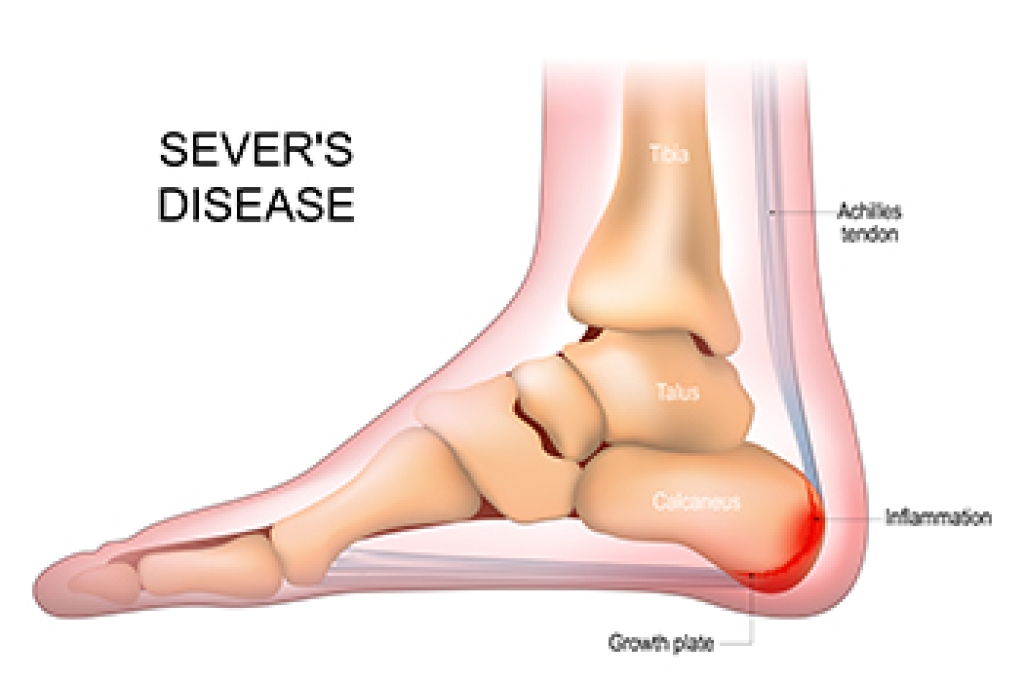
Heel Pain in the Morning?

Heel pain can negatively affect your day-to-day life. Simple activities like walking can become incredibly uncomfortable or painful due to heel pain.

Don’t live with heel pain and get treated.

What Is Idiopathic Congenital Clubfoot?

Idiopathic congenital clubfoot is a structural deformity present at birth in which a baby’s foot is twisted inward and downward due to abnormal development of bones, tendons, and muscles. The exact cause is not fully understood, although genetics and fetal positioning may play a role. The Ponseti method is the most effective treatment and involves gentle manipulation and casting to gradually correct the foot position, followed by bracing to maintain alignment. A podiatrist experienced in pediatric care can guide families through each stage of correction, monitor progress, and provide long-term support to ensure proper foot function. If your child has been diagnosed with clubfoot, it is strongly suggested that you are under the care of a podiatrist for expert evaluation and early corrective care.

Congenital foot problems require immediate attention to avoid future complications. If you have any concerns, contact Ross Limon, DPM of Boca Deerfield Footcare Center. Our doctor can provide the care you need to keep you pain-free and on your feet.

Congenital foot problems are deformities affecting the feet, toes, and/or ankles that children are born with. Some of these conditions have a genetic cause while others just happen. Some specific foot ailments that children may be born with include clubfeet, polydactyly/macrodactyly, and cleft foot. There are several other foot anomalies that can occur congenitally. What all of these conditions have in common is that a child may experience difficulty walking or performing everyday activities, as well as trouble finding footwear that fits their foot deformity. Some of these conditions are more serious than others. Consulting with a podiatrist as early as possible will help in properly diagnosing a child’s foot condition while getting the necessary treatment underway.

What are Causes of Congenital Foot Problem?

A congenital foot problem is one that happens to a child at birth. These conditions can be caused by a genetic predisposition, developmental or positional abnormalities during gestation, or with no known cause.

What are Symptoms of Congenital Foot Problems?

Symptoms vary by the congenital condition. Symptoms may consist of the following:

  • Clubfoot, where tendons are shortened, bones are shaped differently, and the Achilles tendon is tight, causing the foot to point in and down. It is also possible for the soles of the feet to face each other.
  • Polydactyly, which usually consists of a nubbin or small lump of tissue without a bone, a toe that is partially formed but has no joints, or an extra toe.
  • Vertical talus, where the talus bone forms in the wrong position causing other bones in the foot to line up improperly, the front of the foot to point up, and the bottom of the foot to stiffen, with no arch, and to curve out.
  • Tarsal coalition, when there is an abnormal connection of two or more bones in the foot leading to severe, rigid flatfoot.
  • Cleft foot, where there are missing toes, a V-shaped cleft, and other anatomical differences.
  • Macrodactyly, when the toes are abnormally large due to overgrowth of the underlying bone or soft tissue.

Treatment and Prevention

While there is nothing one can do to prevent congenital foot problems, raising awareness and receiving neonatal screenings are important. Early detection by taking your child to a podiatrist leads to the best outcome possible.

If you have any questions, please feel free to contact our office located in Deerfield Beach, FL . We offer the newest diagnostic and treatment technologies for all your foot care needs.
Read more about Congenital Foot Problems

Restoring Comfort and Function Through Bunion Surgery

Bunions are bony bumps that form at the base of the big toe, often caused by genetics, improper footwear, arthritis, or abnormal foot mechanics. They may look like a bump on the side of the foot, and the area can be red, swollen, or callused from friction. Many individuals experience severe pain, difficulty wearing shoes, and decreased activity levels due to discomfort while walking or standing. Bunions affect women more frequently than men, partly due to high-heeled or narrow shoes that place additional pressure on the joint. A podiatrist can start by evaluating the severity of the bunion, assessing foot structure, and discussing nonsurgical options, such as orthotics, padding, or footwear modifications. When conservative measures are insufficient, surgical correction may be recommended to realign the joint and relieve pain. Post surgery, a structured recovery plan and targeted exercises support optimal healing and restored mobility. If bunion pain limits your daily activities, it is suggested that you make an appointment with a podiatrist.

If you are suffering from bunion pain, contact Ross Limon, DPM of Boca Deerfield Footcare Center. Our doctor can provide the care you need to keep you pain-free and on your feet.

What Is a Bunion?

Bunions are painful bony bumps that usually develop on the inside of the foot at the joint of the big toe. As the deformity increases over time, it may become painful to walk and wear shoes. Women are more likely to exacerbate existing bunions since they often wear tight, narrow shoes that shift their toes together. Bunion pain can be relieved by wearing wider shoes with enough room for the toes.

Causes

  • Genetics – some people inherit feet that are more prone to bunion development
  • Inflammatory Conditions - rheumatoid arthritis and polio may cause bunion development

Symptoms

  • Redness and inflammation
  • Pain and tenderness
  • Callus or corns on the bump
  • Restricted motion in the big toe

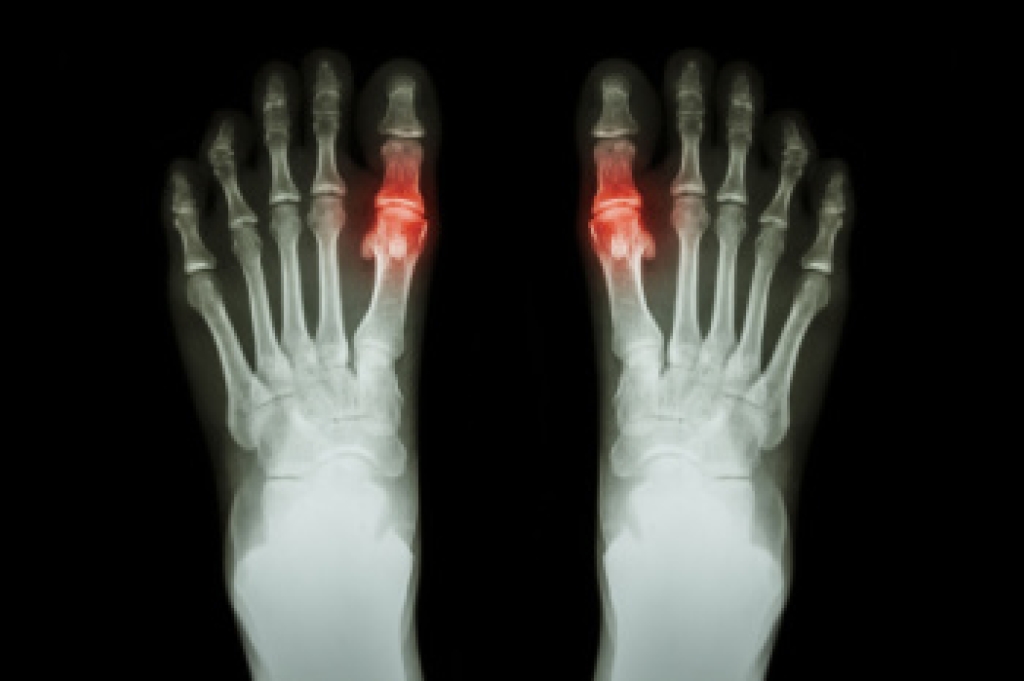
In order to diagnose your bunion, your podiatrist may ask about your medical history, symptoms, and general health. Your doctor might also order an x-ray to take a closer look at your feet. Nonsurgical treatment options include orthotics, padding, icing, changes in footwear, and medication. If nonsurgical treatments don’t alleviate your bunion pain, surgery may be necessary.

If you have any questions, please feel free to contact our office located in Deerfield Beach, FL . We offer the newest diagnostic and treatment technologies for all your foot care needs.
Read more about Bunions